

Seminars
All talks are on Wednesdays at 4pm in the John Morgan Building, Class of '62 Auditorium & are recorded unless otherwise noted
Winter 2026
January 14, 2026
Jeremy M Lawrence, Graduate Student in Clinical Psychology, Psychology and Neuroscience Clinical Psychology, University of Colorado, Boulder
This week Hosted by IBI- invited by Anurag Verma
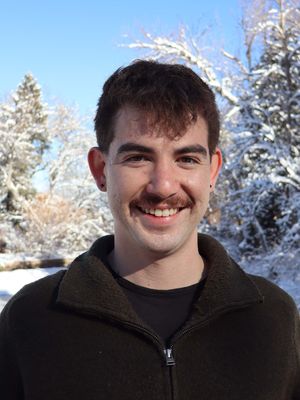 Abstract: Large-scale genome-wide association studies (GWAS) have accelerated biological discovery for complex diseases and behaviors, but also revealed a practical challenge for biomedical translation. Many disorders and quantitative traits share substantial genome-wide liability, blurring etiologic boundaries and complicating interpretation. In this talk, I describe how Genomic SEM, a latent-variable framework that models genetic overlap across traits from GWAS data without a priori knowledge of participant overlap, can be applied to disambiguate and characterize transdiagnostic and disorder-specific risk pathways. I begin by demonstrating that the widespread genetic overlap observed in 73 diseases (e.g., coronary artery disease, diabetes, asthma) across eight major disease categories is structured by underlying, higher-order latent dimensions. I then quantify shared genetic liability across latent risk factors for psychiatric and physical disease, clarifying the systems of relationships underlying complex multimorbidity. Next, I illustrate how these models can resolve diagnostic heterogeneity by isolating subtype-specific genetic components across bipolar disorder and major depression, linking unique within-diagnostic latent components to functional genomic annotations. Finally, I highlight the framework's versatility by isolating the genetic architecture of heart structure and function from life-course anthropometrics, providing a genetic approach for allometric adjustment. Together, these findings offer a roadmap for moving from aggregate genetic risk to precise, biologically informed disease classifications.
Bio: Jeremy M. Lawrence is a fourth-year PhD student in Clinical Psychology at the University of Colorado Boulder and a Graduate Research Assistant at the Institute for Behavioral Genetics, mentored by Andrew Grotzinger. His research applies statistical genetics and multivariate latent-variable approaches (e.g., GWAS, transcriptome-wide association studies, genetic correlations, and Genomic SEM) to clarify shared and subtype-specific genetic architecture across psychiatric and physical health traits. His work includes first-author research on latent dimensions of genetic risk sharing across psychiatric and physical disease, etiological divergences across bipolar subtypes, and unique genetic risk architectures contained within major depression. His collaborative publications investigate the multivariate genetic risk architecture across neurodevelopmental, immune-mediated, and aging-related traits. Clinically, he trains across CU Boulder clinics and the OCD Program at the University of Colorado Anschutz Medical Campus, with experience in diagnostic assessment and exposure and response prevention therapy.
January 21, 2026
Hoifung Poon, General Manager Health Futures, Microsoft Research
This week Hosted by SC2SG- invited by Mingyao Li
Abstract: TBA
Bio: TBA
January 28, 2026
Yue Leng, PhD, Associate Professor, Psychiatry UCSF Weill Institute for Neurosciences, University of California, San Francisco
This week Hosted by PNGC- invited by Li-San Wang
 Abstract: Sleep and neurodegeneration are deeply intertwined, with a potentially bi-directional relationship that remains challenging to disentangle. In this talk, I will highlight how large-scale datasets—from deeply phenotyped community-based cohorts to real-world electronic health records—are helping us better understand this two-way interplay between sleep and aging brain health. Drawing on findings across multiple longitudinal cohorts and EHR-linked populations, I will show how multidimensional sleep data (including polysomnography, actigraphy, contactless monitoring, and emerging digital biomarkers) can reveal early signatures of Alzheimer’s disease (AD) and Parkinson’s disease (PD), and how sleep disturbances may function both as modifiable risk factors and early prodromal indicators. By integrating epidemiology and AI-driven analytics, this work demonstrates how big data can clarify the temporal dynamics between sleep and neurodegeneration, shed light on underlying mechanisms, and advance precision sleep medicine strategies aimed at reducing risk for AD and PD.
Bio: Yue Leng is an Associate Professor of Psychiatry at the University of California, San Francisco (UCSF) and a Senior Atlantic Fellow at the Global Brain Health Institute. She holds an MPhil and PhD in Epidemiology from the University of Cambridge and completed her postdoctoral training at UCSF. Dr. Leng’s research focuses on elucidating the links between sleep, circadian rhythms, and the risk of Alzheimer's and Parkinson's disease, employing epidemiological methods alongside AI and big data analytics. Her research has been funded by NIH K99/R00, R21, and R01 awards and has received widespread media coverage.
February 4, 2026
Jay Patel, PhD, Assistant Professor and Director, Kornberg School of Dentistry, Temple University
This week Hosted by IBI- invited by Danielle Mowery
Abstract: TBA
Bio: TBA
February 18, 2026
Yu-Chih Chen, PhD, Assistant Professor, Department of Computational and Systems Biology, Department of Bioengineering University of Pittsburgh School of Medicine
This week Hosted by PNGC- invited by Li-San Wang
 Abstract: Understanding tumor heterogeneity remains one of the greatest challenges in cancer biology and precision medicine. My research integrates high-throughput single-cell analysis, microfluidics, and artificial intelligence to dissect cellular heterogeneity, cancer cell migration, and therapeutic resistance. We developed microfluidics capable of analyzing limited cell numbers for single-cell RNA-Seq and profiled 666 circulating tumor cells (CTCs) from 21 breast cancer patients, revealing distinct CTC subpopulations with potential implications for treatment selection. In parallel, we engineered high-throughput microfluidic systems that enable quantitative analysis of tens of thousands of migrating cancer cells per chip. Using scalable injection molding fabrication and robotic automation, we performed large-scale screening of 2,726 compounds, identifying promising inhibitors of cancer cell migration and metastasis. To address therapy resistance, we established an image-based single-cell morphological profiling pipeline to characterize polyploid giant cancer cells (PGCCs), a subpopulation that survives chemotherapy and regenerates tumor cells. High-throughput screening identified several anti-PGCC compounds that overcome treatment-induced resistance in breast cancer models. Building upon these experimental datasets, we developed deep learning–based virtual screening models that integrate chemical, morphological, and literature-derived features to perform in silico prediction of >24,000 small molecules. This AI framework enables efficient exploration and prioritization of potential candidates within a vast search space. Together, these technologies establish a powerful multidisciplinary platform to decode cancer cell heterogeneity, uncover therapeutic vulnerabilities, and accelerate the discovery of precision treatments.
Bio: Yu-Chih Chen received his dual bachelor degrees in Electrical Engineering and Law from the National Taiwan University, Taipei in 2008, his Ph.D. degree in Electrical & Computer Engineering at the University of Michigan, Ann Arbor in 2014, where he continued to work as a research faculty in both Electrical & Computer Engineering Department and Forbes Institute for Cancer Discovery. He is currently an assistant professor in the Department of Computational and Systems Biology and UPMC Hillman Cancer Center at the University of Pittsburgh School of Medicine. He is also affiliated with Joint CMU-Pitt Ph.D. Program in Computational Biology. He is the recipient of Taiwan Semiconductor Manufacturing Company (TSMC) Outstanding Student Research Award (2008), Orenstein Ph.D. Fellowship (2009), Best Post-Doctoral Speaker Award in Microfluidics in Biomedical Sciences Training Program, UMich (2015), Emerging Forbes Scholar selected by Forbes Institute for Cancer Discovery (2017), and Hillman Early Career Fellow for Innovative Cancer Research (2021). His current research focuses on high-throughput single-cell analysis and deep learning for cancer precision medicine.
February 25, 2026
Kim Branson, PhD, Senior Vice President and Global Head of Artificial Intelligence & Machine Learning, GSK
This week Hosted by IBI- invited by Danielle Mowery
Abstract: TBA
Bio: TBA